Scrapbook Font: A Marker-Drawn Style for Modern Design
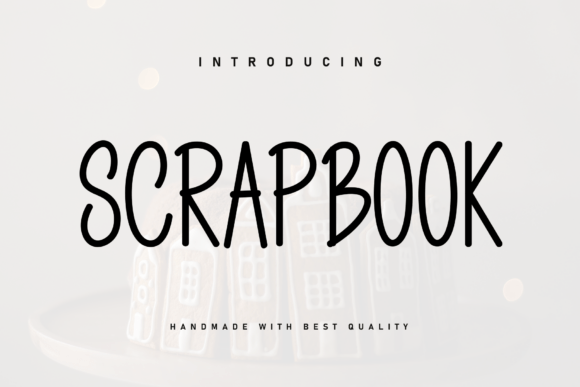
Imagine a font that captures the spontaneous energy of a hand-drawn marker, yet carries the polished confidence of a luxury brand. That’s the power of the Scrapbook typeface, a handwritten font designed to bridge the gap between relaxed authenticity and sophisticated elegance. In today’s crowded visual landscape, finding a typographic voice that feels both personal and professional is a key challenge for designers and brands alike.
Understanding the Visual Impact of Scrapbook
At its core, Scrapbook is more than just a collection of letters; it’s a design tool engineered for emotional connection. Its marker-drawn aesthetic provides an immediate sense of human touch and craftsmanship, which is invaluable in graphic design for building trust and relatability. The font’s “relaxed and sporty” feel makes it exceptionally versatile, avoiding the stiffness of traditional serifs or the coldness of many sans-serifs. This unique character allows it to inject personality into projects where a standard typeface might feel generic.
For brand identity, this means instant differentiation. A logo set in Scrapbook can communicate that a brand is approachable, creative, and confident without saying a word. It’s a strategic choice in typography that supports modern aesthetics, favoring designs that are both visually engaging and emotionally resonant.
Practical Applications Across Creative Projects
The true strength of a font like Scrapbook lies in its adaptability across numerous design contexts. Its ability to look “luxurious and elegant but still casual” makes it a standout creative asset. Consider these practical applications:
- Branding and Logo Design: Ideal for lifestyle brands, boutique studios, artisanal products, or any business wanting to project a friendly yet upscale image.
- Marketing and Social Media: Creates eye-catching headlines for posters, flyers, Instagram stories, and Pinterest graphics that stop the scroll.
- Editorial and Packaging Design: Adds a handcrafted touch to book covers, magazine layouts, or product packaging, enhancing shelf appeal.
- Wedding and Event Stationery: Perfect for invitations, menus, and signage that require a personal, elegant, and contemporary feel.
- Digital Products and UI: Can be used sparingly for app headers, website hero text, or call-to-action buttons to guide user engagement with a friendly voice.
Integrating Typography into Your Design Workflow
Successfully incorporating a display font like Scrapbook requires a thoughtful approach to visual hierarchy and composition. Its distinctive style means it’s best used for headlines, logos, or short bursts of impactful text rather than long body copy, where readability is paramount.
When selecting a color palette, pair it with clean, neutral backgrounds or complementary hues that let the font’s texture shine. Ensure scalability by testing the font at various sizes to maintain its charm from a billboard to a business card. Consistency is crucial; use Scrapbook as part of a broader typographic system, pairing it with a simpler, highly legible font for body text to create a balanced and professional presentation.
Ultimately, the fonts you choose are fundamental to your visual communication strategy. They dictate tone, influence perception, and guide the viewer’s journey through your content. By selecting high-quality, character-rich assets like the Scrapbook font, you equip your creative projects with a powerful tool to enhance aesthetics, strengthen messaging, and create memorable experiences that resonate with your audience.