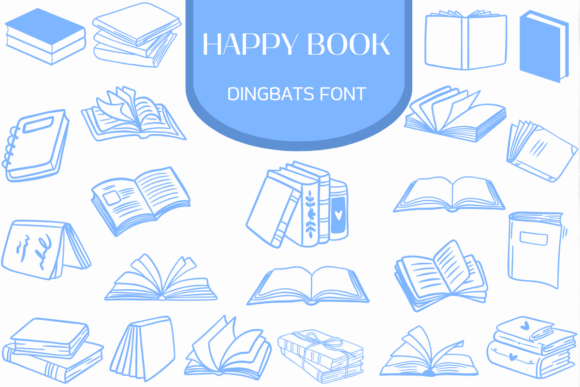
Happy Book: A Dingbats Font for Creative Design
Imagine a single typeface that can instantly inject personality, whimsy, and a handcrafted feel into a wide array of creative projects. That's the unique value proposition of Happy Book, a distinctive dingbats font designed to bridge the gap between playful expression and professional application. Far more than a simple novelty, this asset offers graphic designers, marketers, and creators a versatile tool for enhancing visual communication across digital and print media.
Understanding the Role of Dingbats in Modern Design
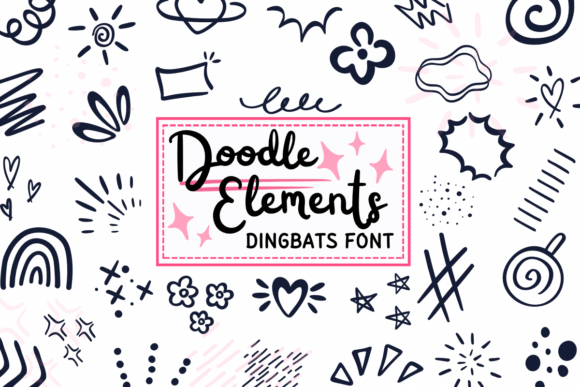
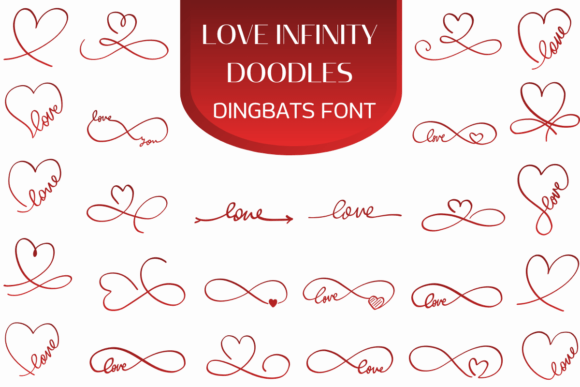
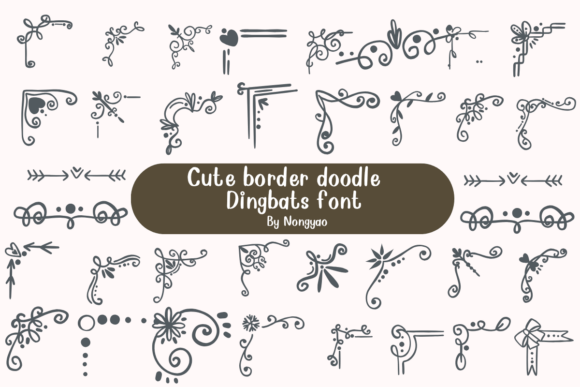
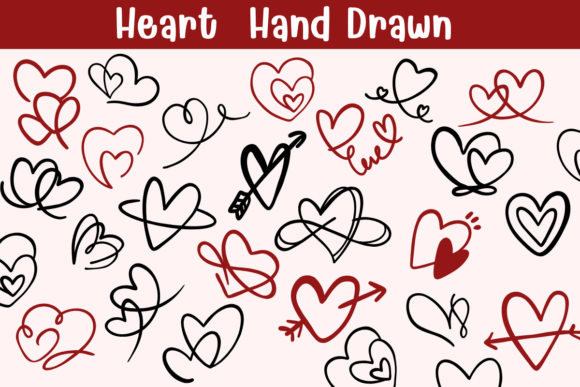
Dingbats fonts, which contain decorative symbols, icons, and ornamental characters rather than traditional letters, are powerful yet often underutilized assets in a designer's toolkit. They provide a quick way to integrate consistent, scalable graphic elements directly into text-based layouts. Happy Book exemplifies this by offering a curated set of symbols perfect for evoking a sense of joy, narrative, and personal touch. This capability is crucial for maintaining a cohesive brand identity, where every visual element must work in harmony to tell a story and connect with an audience.
Practical Applications Across Creative Projects
The true strength of a font like Happy Book lies in its adaptability. Its charming icons can elevate projects from mundane to memorable, improving user engagement and reinforcing brand messaging. Consider its utility in the following areas:
- Branding & Marketing Materials: Use its symbols as decorative accents in logo design, on business cards, brochures, and email headers to add a unique, approachable flair to a brand's visual system.
- Social Media Graphics & Content: Create eye-catching Instagram stories, Pinterest pins, or Facebook posts. The icons can serve as visual bullet points, section dividers, or standalone graphics that stop the scroll.
- Editorial & Web Design: Enhance magazine layouts, blog posts, or website UI elements. Use them as custom list markers, pull-quote decorations, or interactive elements that improve the user experience (UX) with delightful details.
- Packaging & Merchandise: Apply the dingbats to product labels, thank-you cards, or merchandise like mugs and T-shirts. They add a premium, handcrafted quality that can significantly boost perceived value and customer connection.
- Digital Products & Presentations: Enrich e-books, worksheets, slide decks, and online course materials. Consistent use of these icons creates a polished, professional presentation that aids in visual hierarchy and information retention.
Integrating Typographic Assets with Strategic Design Principles
Simply having a creative asset isn't enough; effective integration is key. When using a dingbats font like Happy Book, adhere to core graphic design principles to ensure it enhances rather than detracts from your work. First, consider consistency. Establish rules for how and where the icons are used to maintain a unified brand identity across all touchpoints. Second, prioritize readability and visual hierarchy. The decorative elements should support the main message, not compete with it. Use them to guide the viewer's eye, not confuse it.
Furthermore, always evaluate scalability and compatibility. Test how the symbols render at different sizes and on various backgrounds. Ensure they complement your existing color palette and typography choices, contributing to a harmonious composition. The goal is to use these assets to solve specific design problems—whether that's making a social media post more shareable, a product package more appealing, or a presentation more engaging.
In the ever-evolving landscape of visual design, the thoughtful selection of creative assets is what separates generic work from impactful communication. A resource like Happy Book demonstrates how a focused typographic element can be a catalyst for creativity, offering designers a simple yet effective way to inject personality, strengthen brand recognition, and create more engaging visual narratives. By aligning such tools with clear design goals and audience expectations, professionals can elevate their projects, ensuring every detail contributes to a cohesive and compelling story.