Furniture Font: The Marker-Drawn Typeface for Modern Design
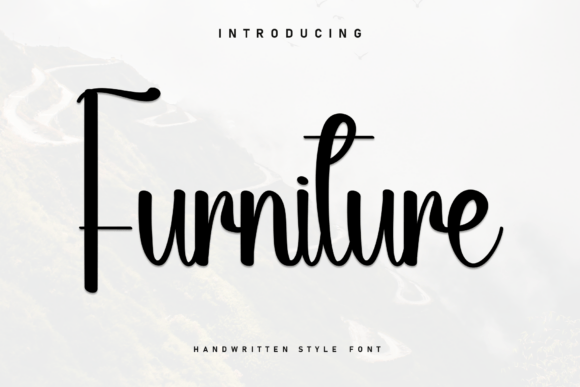
Finding a typeface that perfectly balances relaxed elegance with a sporty, handcrafted feel can be a game-changer for your creative projects. Enter Furniture, a distinctive handwritten font designed to mimic the authentic strokes of a marker, offering designers a unique tool to inject personality and sophistication into their visual communication. This typeface is engineered to bridge the gap between luxury and casual appeal, making it an invaluable asset for a wide array of applications.
Understanding the Furniture Typeface
At its core, Furniture is more than just a collection of letters; it's a design solution built for impact. Its marker-drawn aesthetic provides an organic, human touch that digital precision often lacks. This quality is crucial in today's design landscape, where audiences crave authenticity and connection. The font’s relaxed yet sporty character allows it to convey a sense of approachable luxury, making it ideal for brands that want to appear high-end without being ostentatious. In visual design, typography sets the tone, and Furniture excels at creating a mood that is both inviting and stylish.
Practical Applications in Graphic Design
The versatility of the Furniture font makes it a powerful creative asset across numerous design disciplines. Its strength lies in its ability to adapt to various contexts while maintaining a consistent, recognizable voice.
- Branding and Logo Design: Use Furniture to craft logos that feel personal and memorable. Its handwritten nature helps startups and boutique brands establish a unique identity that stands out in crowded markets.
- Marketing and Social Media: From Instagram posts to Facebook ads, this font grabs attention. It works beautifully for call-to-action text, promotional headlines, and social media graphics that need to feel energetic and engaging.
- Editorial and Packaging Design: In lookbooks, magazines, or product packaging, Furniture adds a layer of editorial flair. It can highlight quotes, create compelling subheadings, or design elegant labels for products that target a fashion-forward or lifestyle-oriented audience.
- Digital and UI Elements: While not for body text, it’s perfect for web banners, hero section headings, or UI elements in apps that aim for a creative, modern aesthetic. It enhances user experience by adding visual interest and guiding the eye.
Tips for Effective Implementation
Integrating a distinctive font like Furniture into your design workflow requires thoughtful application to maximize its impact. Here are key considerations for graphic designers and creators:
- Prioritize Readability and Hierarchy: Use Furniture for display purposes—headlines, titles, and short impactful phrases. Pair it with a clean, simple sans-serif or serif font for body text to maintain a strong visual hierarchy and ensure readability across all mediums.
- Consider Your Audience and Goals: Align the font’s relaxed, sporty vibe with your brand’s personality. It’s perfect for targeting younger demographics, fashion enthusiasts, or brands in the wellness and lifestyle sectors. Evaluate if its character matches your project's communication goals.
- Maintain Brand Consistency: If adopted for a brand identity, document its usage guidelines. Specify which contexts it should be used in (e.g., marketing materials, not legal text) to ensure a cohesive and professional presentation across all touchpoints.
- Test Across Platforms: Always preview your designs where they will be seen. Check how the font renders on different screens, in print, and at various scales to guarantee it maintains its charm and legibility, from a small social icon to a large poster.
Elevating Your Creative Projects
The choice of typography is a fundamental pillar of effective visual design, directly influencing how a message is perceived. A thoughtfully selected font like Furniture does more than display words; it communicates emotion, establishes tone, and strengthens brand identity. By incorporating high-quality, purpose-driven creative assets into your projects, you enhance both the aesthetic appeal and the communicative clarity of your work. In the pursuit of professional and resonant design, the right typeface is not just an element—it's the voice of your visual story, shaping user engagement and leaving a lasting impression.