Casper: A Display Font for Bold Visual Identity
In the crowded landscape of digital content, first impressions are visual. For graphic designers and brand strategists seeking to break away from the ordinary, typography is often the deciding factor between a forgettable layout and a memorable brand moment. This is where Casper enters the conversation. As a stunning decorative display font, Casper is engineered not just to be read, but to be seen. It is designed to be the center of attention, offering a unique artistic personality that transforms standard headlines into visual anchors.
The Anatomy of a Decorative Display Typeface
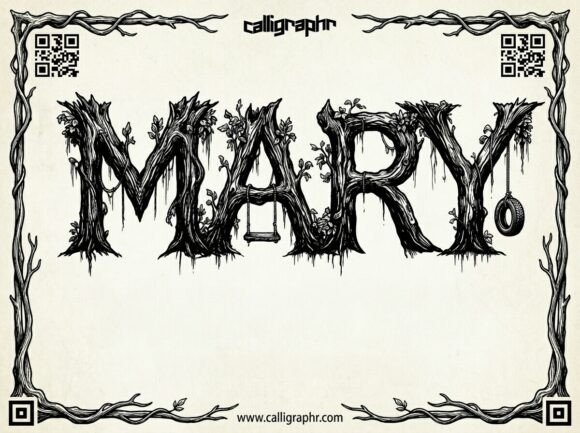
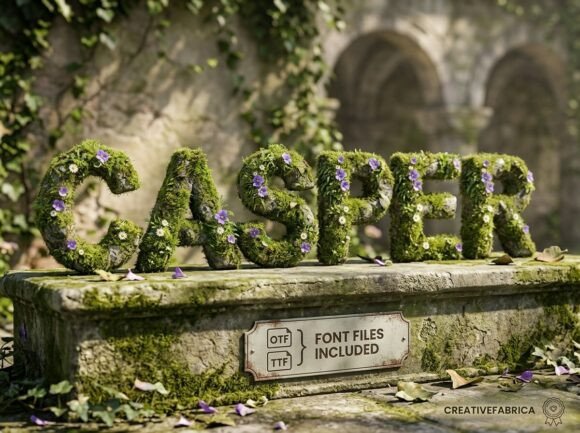
Understanding the utility of Casper requires a grasp of typographic hierarchy. In visual design, display typefaces are the "shouting" voices of the layout—they handle the large, impactful moments like logos, headers, and signage. Casper features strong visual personality and unique artistic elements, making it an ideal candidate for projects that demand a high-impact aesthetic. However, it is crucial to note its specific nature: Casper is an ALL-CAPS (Uppercase Only) typeface. It does not include lowercase letters.
This characteristic is intentional. By focusing exclusively on uppercase letterforms, the designer ensures that every character functions as a standalone piece of art. This makes it perfect for decorative initials and bold typography where weight and presence are more important than the flow of body text. For a graphic designer, this specificity is a tool, not a limitation, allowing for a focused approach to visual hierarchy.
Practical Applications in Modern Branding
Casper’s versatility shines across various creative projects. Its professional finish ensures it maintains quality whether applied to print design or digital interfaces. Here is how this font can elevate specific areas of your design workflow:
- Logo Design and Brand Identity: A logo must be distinctive. Casper provides a strong foundation for brand identity systems that aim for a modern, artistic vibe. Its unique contours ensure that a brand stands out in a crowded market.
- Creative Packaging Design: On the shelf, packaging design relies on split-second recognition. The bold nature of Casper helps products pop, drawing the consumer's eye immediately to the product name or key feature.
- Social Media Graphics: In the fast-scrolling environment of digital marketing, bold headlines are essential. Casper works exceptionally well for YouTube thumbnails, Instagram Stories, or Pinterest pins where text needs to be legible at a glance.
- Editorial and Web Design: When used for pull quotes or section headers in editorial layouts, Casper adds a layer of sophistication. It breaks the monotony of standard sans-serifs and serifs, offering a refreshing visual pause for the reader.
Technical Integration and File Compatibility
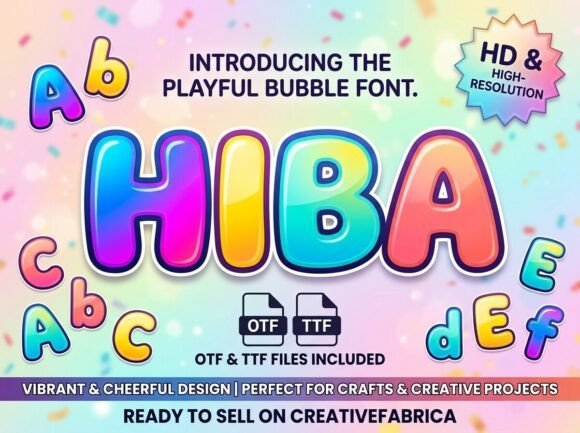
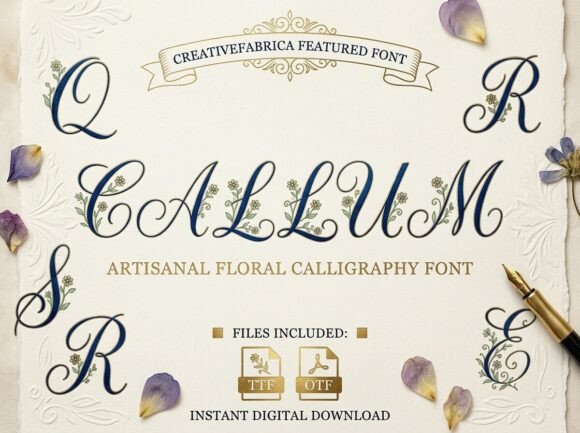
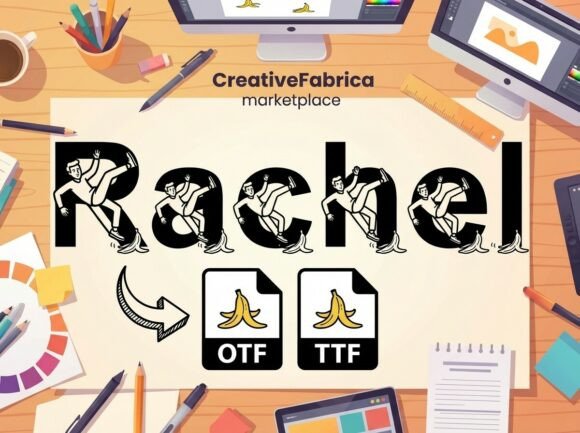
A premium design asset must be technically robust. Casper is delivered in the two industry-standard formats required for a seamless design workflow: OTF (OpenType Font) and TTF (TrueType Font).
The OTF file is the professional standard, preferred for advanced layout software like Adobe Illustrator, InDesign, and Photoshop. It allows for more sophisticated typographic features. The TTF file ensures universal compatibility, making it safe to use across various devices, operating systems, and even basic editing software. This dual-file approach guarantees that your design assets remain accessible and consistent, whether you are working on a complex UI design system or a quick social media graphic.
Strategic Typography: Consistency and Scalability
When integrating a font like Casper into a project, strategic thinking is required. Because it is a display typeface, it should not be used for long-form body copy; doing so would compromise readability and user experience (UX). Instead, focus on scalability and contrast.
Pair Casper with a clean, neutral sans-serif or a classic serif font for body text. This contrast creates a visual hierarchy that guides the reader’s eye naturally from the headline to the content. Furthermore, ensure that the color palette complements the font's personality. High-contrast colors often work best with bold, decorative types to maintain accessibility standards.
Ultimately, the quality of your creative assets dictates the quality of your communication. Choosing a resource like Casper is an investment in visual impact. It allows designers to craft narratives that are not only seen but felt, ensuring that every headline, logo, and banner speaks with authority and artistic integrity.